 11
11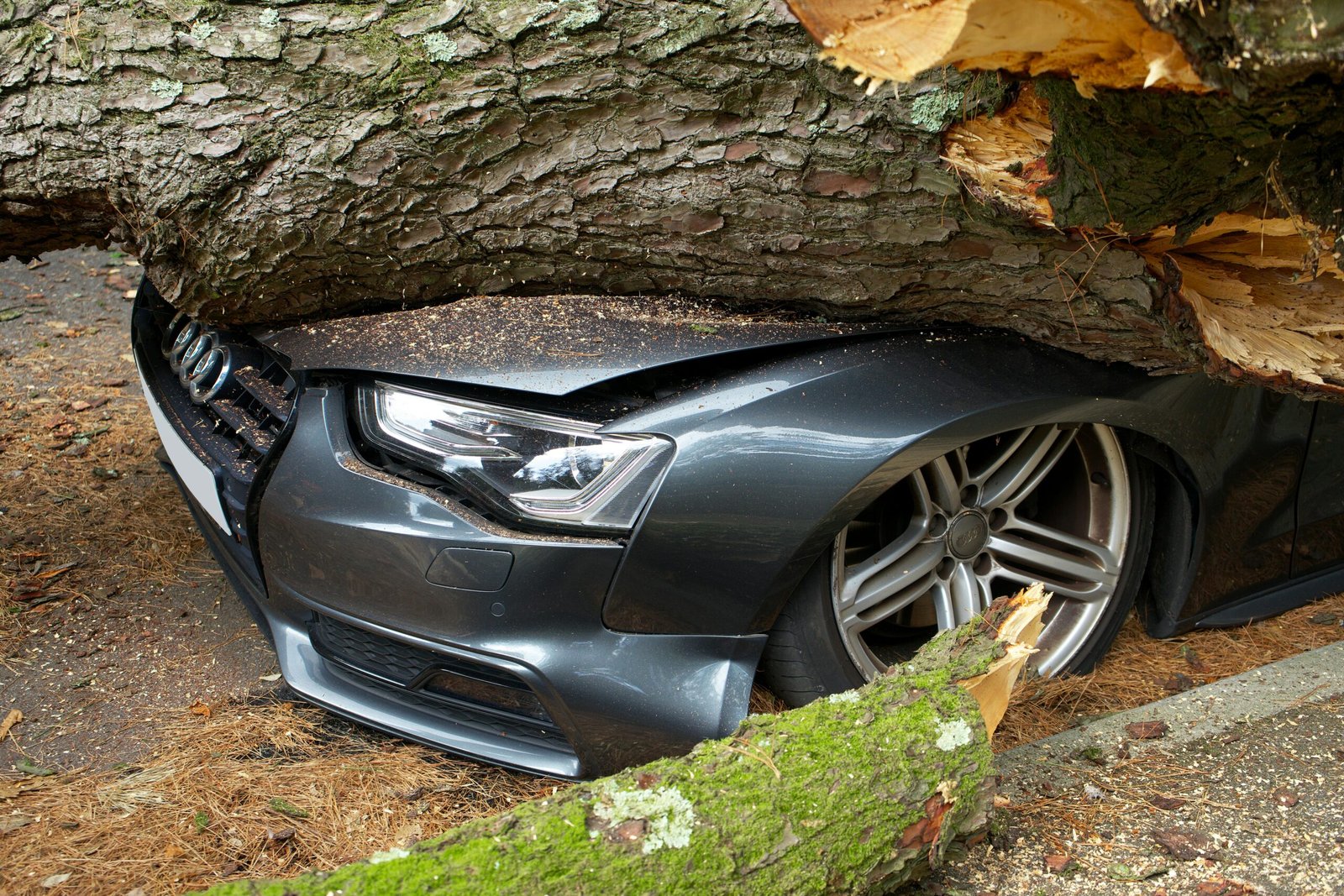
Most drivers have car insurance. Far fewer drivers actually understand what their car insurance covers. And that gap — between having a policy and truly knowing what it does — can lead to some genuinely unpleasant surprises at the worst possible moments.
Maybe you assume your insurance covers everything that happens to your car, only to discover that the flood damage from last night’s storm isn’t included in your policy. Or you’re in an accident and realize your coverage limit is far too low to handle the real cost of the damage you caused. These situations happen to real drivers every single day, not because they were careless, but because nobody ever walked them through what their policy actually includes.
That’s exactly what this guide is designed to do. We’re going to break down what car insurance covers, coverage type by coverage type, in plain and simple language. We’ll explain what each type protects you from, what it doesn’t cover, and when it matters most. By the time you finish reading, you’ll have a clear and complete picture of how auto insurance actually works — and you’ll be in a much better position to make smart decisions about your own coverage.
Let’s start from the very beginning.
Before we dive into individual coverage types, it helps to understand how a car insurance policy is structured. Your policy isn’t one single blanket protection — it’s actually a collection of different coverage components, each designed to protect against a specific category of risk.
Some of these components are legally required by your state. Others are optional but highly recommended. And some are add-ons that most drivers never think to ask about until they wish they had them.
Your declarations page — the summary document at the front of your policy — lists all the coverages you’ve selected, the limits for each, and any applicable deductibles. It’s worth taking five minutes to pull that page out and look at it with fresh eyes as you read through this guide. You might discover gaps you didn’t know existed, or coverage you’re paying for that you don’t actually need.
Liability coverage is the cornerstone of auto insurance and is legally required in almost every state in the U.S. If you only have one type of coverage, this is it — and understanding it fully is essential.
Liability insurance covers the costs you’re legally responsible for when you cause an accident that injures another person or damages their property. It’s split into two distinct parts that work together.
Bodily injury liability pays for the medical expenses, lost wages, pain and suffering, and legal costs of other people injured in an accident you caused. This includes the other driver, their passengers, pedestrians, cyclists, or anyone else harmed as a result of your actions behind the wheel. If an injured party sues you, your bodily injury liability coverage also helps pay your legal defense costs.
Property damage liability pays for damage you cause to other people’s property — most commonly, another person’s vehicle. But it also covers damage to fences, walls, mailboxes, storefronts, or any other physical property you might damage in an accident.
Liability coverage is expressed as a set of three numbers — for example, 100/300/100. The first number is the maximum your insurer will pay per injured person (in thousands), the second is the maximum per accident for all injuries combined, and the third is the maximum for property damage. Understanding these limits is critical because anything beyond your limits is your personal financial responsibility.
State minimum liability limits are often far too low to adequately cover the real cost of a serious accident. Medical bills alone from a significant collision can easily exceed $100,000, and that’s before lost wages or legal claims are factored in. Most insurance professionals recommend carrying at least $100,000 per person and $300,000 per accident in bodily injury liability — and potentially more if you have significant personal assets to protect.
While liability coverage protects other people, collision coverage protects your own vehicle when it’s damaged in an accident — regardless of who was at fault.
Collision coverage pays for repairs to your car (or its actual cash value if it’s a total loss) when your vehicle collides with another car, a stationary object like a guardrail or tree, or even rolls over. It doesn’t matter whether you caused the accident or the other driver did — collision coverage handles the damage to your vehicle either way.
This coverage always comes with a deductible — the amount you pay out of pocket before your insurer pays the rest. Common deductible amounts are $250, $500, and $1,000. Choosing a higher deductible lowers your monthly premium but means more out-of-pocket expense when you file a claim.
Collision coverage is not legally required in any state, but if you have a car loan or lease, your lender will almost certainly require you to carry it. For newer and higher-value vehicles, it’s also a smart personal financial decision regardless of any lender requirement.
Comprehensive coverage — sometimes called “other than collision” — is the part of your policy that protects your vehicle from damage that has nothing to do with driving into something. It’s a surprisingly broad category that covers a wide range of events that can happen whether your car is parked, in a garage, or on the road.
Comprehensive coverage typically protects you from:
Like collision coverage, comprehensive comes with a deductible and is not legally required by any state. However, it’s typically less expensive than collision coverage and covers an impressive range of risks that many drivers experience at some point in their lives.
If you live in an area with frequent hailstorms, high vehicle theft rates, or dense wildlife populations, comprehensive coverage is particularly valuable.
Here’s a coverage type that far too many drivers overlook — and it can make an enormous difference when you’re the victim of someone else’s negligence.
Uninsured motorist coverage (UM) protects you when you’re involved in an accident caused by a driver who has no insurance at all. Given that roughly one in eight drivers on American roads is currently uninsured, this isn’t a remote possibility — it’s a very real risk every time you drive.
Without uninsured motorist coverage, if an uninsured driver totals your car or puts you in the hospital, your options are limited to pursuing the at-fault driver personally, which is often a lengthy, expensive, and ultimately unsuccessful process if they have no assets.
Underinsured motorist coverage (UIM) steps in when the at-fault driver has insurance, but their limits aren’t high enough to cover your full damages. This is surprisingly common, given how many drivers still carry state minimum liability limits.
Both UM and UIM coverage typically come in two forms: bodily injury (covering your medical expenses and lost wages) and property damage (covering damage to your vehicle). These coverages are often required in certain states and are available as optional add-ons in others. Given their relatively low cost — often just $20–$50 per year — they represent exceptional value for the protection they provide.
These two coverage types both deal with medical expenses after an accident, but they work somewhat differently and are available in different states.
Personal Injury Protection (PIP) is sometimes called “no-fault” coverage because it pays for your medical expenses and related costs regardless of who caused the accident. In states with no-fault insurance laws, PIP is mandatory. In others, it’s optional.
PIP can cover a remarkably broad range of expenses beyond just medical bills:
Medical Payments coverage (MedPay) is a simpler, more limited version that covers medical and funeral expenses for you and your passengers after an accident, regardless of fault. Unlike PIP, it typically doesn’t cover lost wages or other non-medical expenses. MedPay is available in most states and is generally quite affordable.
Both PIP and MedPay can work alongside your health insurance to cover copays, deductibles, and gaps in your health coverage following an accident.
Gap insurance addresses a specific and often overlooked financial risk that affects drivers with car loans or leases.
Here’s the problem it solves: new vehicles can lose 15–25% of their value the moment they leave the dealership. If your car is totaled in an accident, your standard collision coverage pays you the car’s current market value — not what you originally paid or what you still owe on your loan.
If your car is worth $22,000 but you still owe $27,000 on your loan, standard insurance leaves you with a $5,000 gap that comes entirely out of your own pocket. Gap insurance covers that difference, ensuring you don’t end up paying for a car you can no longer drive.
Gap insurance is typically inexpensive when added to an auto policy — often $20–$40 per year — and is far cheaper than purchasing it through a car dealership, where it can cost hundreds of dollars upfront.
Beyond the core coverage types, most insurers offer a range of optional add-ons that can fill specific gaps in your protection. While not essential for every driver, some are genuinely valuable depending on your situation.
Roadside assistance covers towing, flat tire changes, battery jump-starts, lockout assistance, and emergency fuel delivery. It’s typically very affordable and enormously convenient when you need it.
Rental car reimbursement pays for a rental vehicle while your car is being repaired after a covered accident. Given that rental cars can cost $40–$80 per day, even a one-week repair job can generate several hundred dollars in rental costs without this coverage.
New car replacement coverage goes beyond standard collision coverage by paying you enough to purchase a brand-new replacement vehicle of the same make and model, rather than just the depreciated actual cash value of your totaled car. It’s typically available for vehicles in their first one to two years.
Accident forgiveness prevents your premium from increasing after your first at-fault accident. Some insurers include it automatically for long-term customers with clean records; others offer it as a paid add-on.
Custom parts and equipment coverage protects aftermarket modifications and upgrades — custom wheels, upgraded sound systems, performance modifications — that wouldn’t be covered under standard collision or comprehensive coverage.
Understanding the exclusions in your policy is just as important as understanding what’s included. Some common situations that standard auto insurance does not cover:
Yes — but only if you have comprehensive coverage. Liability-only policies do not cover vehicle theft. If your car is stolen and you have comprehensive coverage, your insurer will pay you the actual cash value of the vehicle minus your comprehensive deductible.
Yes, natural disaster damage — flooding, hail, tornadoes, earthquakes — is covered under comprehensive coverage. This is one of the most important reasons to carry comprehensive coverage, especially if you live in an area prone to severe weather events.
Your personal auto insurance policy typically extends to rental cars used for personal travel, applying the same liability, collision, and comprehensive coverages you have on your own vehicle. However, this varies by policy, so always confirm with your insurer before declining the rental company’s coverage.
No. Liability coverage only pays for injuries and damages to other people. For your own medical expenses after an at-fault accident, you’d rely on PIP, MedPay, or your personal health insurance, depending on what coverages you carry.
Actual cash value (ACV) is what your car is worth today — its original value minus depreciation. Most standard collision and comprehensive payouts are based on ACV. Replacement cost coverage, by contrast, pays what it would cost to replace your vehicle with a new equivalent — without factoring in depreciation. New car replacement coverage is the auto insurance version of replacement cost protection and is typically available only for newer vehicles.
Car insurance is not a single product — it’s a layered system of protections, each designed to guard against a specific type of financial risk. Liability protects others from you. Collision and comprehensive protect your vehicle. Uninsured motorist coverage protects you from others. PIP and MedPay protect your body. Gap insurance protects your loan.
Together, these coverages form a comprehensive financial safety net that can prevent a single bad day from becoming a prolonged financial nightmare. But that safety net only works if you’ve actually woven it correctly — with the right coverages at the right limits for your specific situation.
The most important thing you can do after reading this guide is to pull out your own declarations page and review it with fresh eyes. Do your liability limits genuinely protect your assets? Do you have a comprehensive one if you need it? Are uninsured motorist coverage and roadside assistance included?
If the answer to any of those questions is uncertain, a 15-minute conversation with your insurance agent could be one of the most valuable calls you make all year. Understanding your policy isn’t just a financial exercise — it’s the foundation of genuine peace of mind every time you get behind the wheel.