 11
11
When it comes to buying car insurance, one of the first and most fundamental decisions you’ll face is choosing between comprehensive car insurance and third-party car insurance. It sounds like it should be a simple choice, but for millions of drivers, it remains genuinely confusing — and making the wrong call can either leave you dangerously underprotected or pay far more than you need to.
The truth is, neither option is universally better than the other. The right choice depends entirely on your specific situation — your vehicle’s age and value, your financial circumstances, your driving environment, and what risks you’re most exposed to on a daily basis.
What we can tell you is this: understanding the real difference between these two types of coverage — not just on paper, but in practical, real-world terms — makes the decision much clearer. And once you see it laid out properly, you’ll likely wonder why it ever seemed complicated in the first place.
In this guide, we’re going to walk through exactly what comprehensive and third-party car insurance covers, compare them side by side, look at the costs involved, and give you a clear framework for deciding which one is right for you. Let’s get into it.
Third-party car insurance is the most basic level of auto insurance available, and in most countries and U.S. states, it represents the legal minimum required to drive on public roads. The name comes from the three parties involved: you (the first party), your insurer (the second party), and the other person involved in an accident (the third party).
Here’s the essential thing to understand about third-party insurance: it protects other people from you — but it does not protect you from anything.
When you cause an accident, and you have third-party coverage, your insurer pays for the damage and injuries you caused to the other driver, their passengers, and their property. This includes their medical bills, the cost of repairing or replacing their vehicle, and any other property damage you’re responsible for.
What it does not cover is anything on your side of the accident. Your own vehicle damage — whether your car is slightly dented or completely totaled — is entirely your problem. Your own medical expenses are not covered. If your car is stolen the night before the accident, third-party insurance won’t help you there either.
Third-party insurance is the bare minimum. It keeps you legal and protects others from financial harm caused by your driving — but it offers you personally very little protection beyond that.
Comprehensive car insurance is the most complete level of personal auto protection available. Despite what the name might imply, it doesn’t literally cover everything — but it covers a remarkably broad range of risks, including many that have nothing to do with actually driving your car.
Comprehensive insurance builds on the foundation of third-party liability coverage and adds extensive protection for your own vehicle and, in many policies, your own personal injury costs as well. It’s the type of coverage most people refer to when they say they have “full coverage.”
At its core, comprehensive insurance covers two major categories beyond third-party liability: collision damage and non-collision damage.
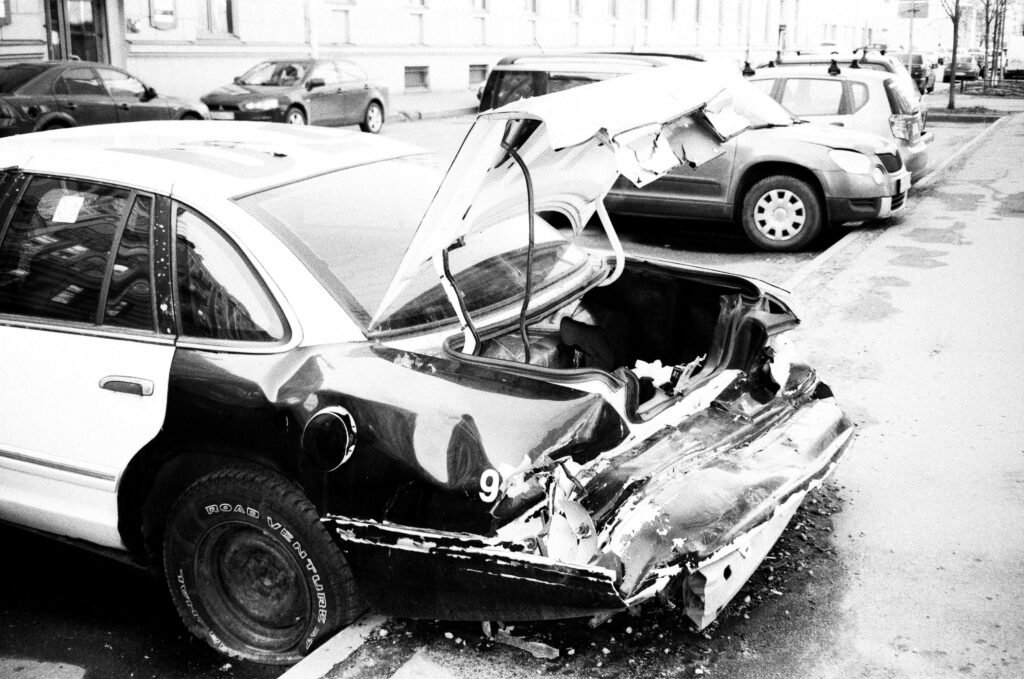
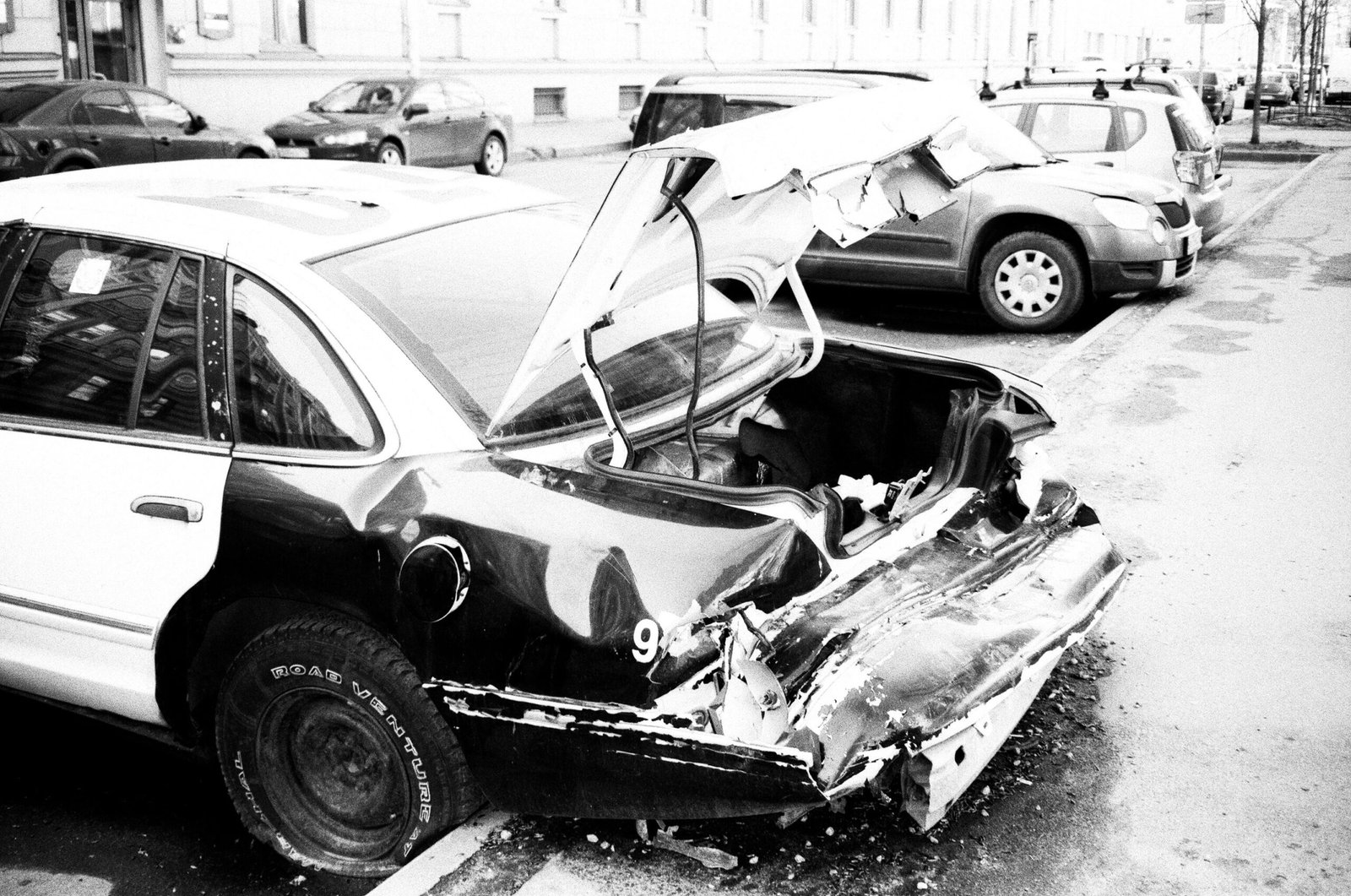
Collision coverage pays for damage to your own vehicle when it’s involved in an accident — regardless of whether you were at fault. If you rear-end another car, get T-boned at an intersection, or slide into a guardrail on an icy road, collision coverage pays for your repairs or your car’s replacement value.
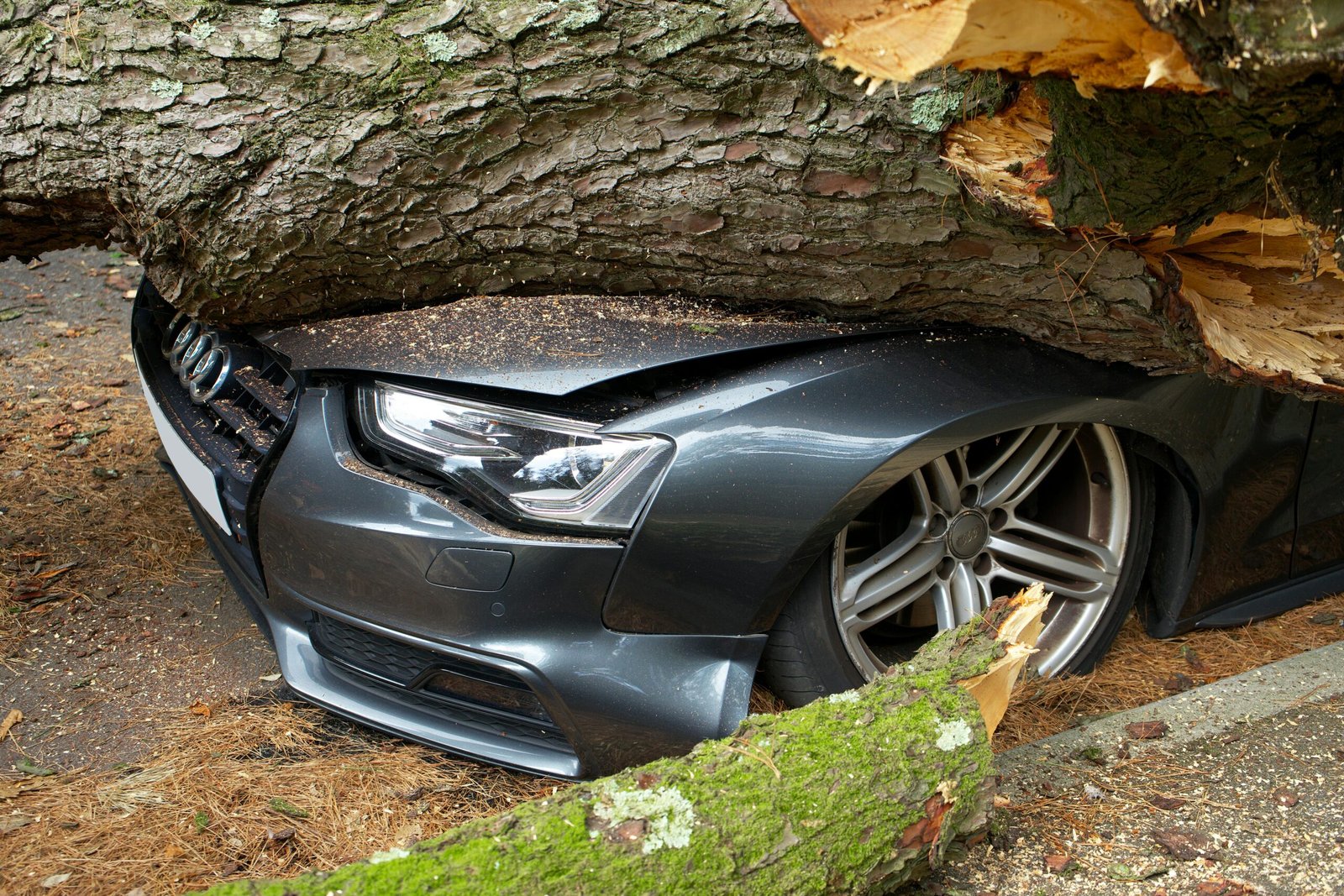
The comprehensive component (in the strictest sense of the term) covers damage from events that have nothing to do with colliding with something else. This includes theft, fire, flooding, hailstorms, falling trees, animal strikes like hitting a deer, vandalism, and other non-collision incidents.
Even comprehensive coverage has exclusions worth knowing about:
Now that we’ve established what each type covers, let’s look at them side by side to make the comparison as clear as possible.
When it comes to protection for others, both policies are equal — both include third-party liability coverage that pays for damage and injuries you cause to other people.
When it comes to protection for your own vehicle, comprehensive wins decisively. Third-party offers nothing for your own car; comprehensive covers it against accidents, theft, weather, fire, and more.
When it comes to protection for your own injuries, comprehensive policies often include personal injury protection or medical payments coverage; third-party policies typically offer none.
When it comes to cost, third-party is significantly cheaper — often 50–70% less than comprehensive for the same driver and vehicle. But that lower cost comes with dramatically less protection.
When it comes to peace of mind, comprehensive is unmatched. You’re protected regardless of what happens — whether you caused an accident, were the victim of one, or woke up to find your car stolen from your driveway.
Let’s talk about what most drivers want to know first — the money.
Third-party insurance is genuinely less expensive. For an average driver, a basic liability-only policy might cost $600–$900 per year. A comprehensive policy for the same driver can run $1,600–$2,200 or more, depending on location, vehicle, and driving history. That’s a difference of $700–$1,300 per year — and that’s real money.
But here’s the question you need to answer honestly: what would it cost you to replace or repair your vehicle out of your own pocket if something happened to it?
If your car is worth $30,000 and you’re paying an extra $1,000 per year for comprehensive coverage, you’re essentially buying protection for a risk exposure that could cost you 30 times your annual premium. That’s an excellent value proposition — especially when you factor in not just collision risk, but theft, weather events, and all the other scenarios comprehensive coverage covers.
On the other hand, if your car is worth $3,500 and comprehensive coverage costs you an extra $600 per year, you’re paying 17% of the car’s value every year for that protection. In that scenario, the math starts to favor third-party insurance — especially if you have an emergency fund that could absorb the loss.
A commonly used guideline in personal finance circles is this: if your annual comprehensive and collision premium exceeds 10% of your vehicle’s current market value, it may be time to drop down to third-party coverage. Use tools like Kelley Blue Book or Edmunds to check your car’s current value, and do this calculation with your actual numbers.
Comprehensive car insurance makes the most sense in several specific situations, and for many drivers, it’s the clear and obvious choice.
If you have a car loan or lease, you almost certainly have no choice in the matter — lenders and leasing companies require comprehensive coverage as a condition of the financing agreement. They have a financial interest in the vehicle and need it protected.
If you drive a newer or higher-value vehicle, comprehensive coverage provides protection that genuinely justifies its cost. A single hailstorm, theft, or at-fault accident without comprehensive coverage could cost you far more than years of premium payments combined.
If you live in an area with significant risks — high vehicle theft rates, frequent severe weather, dense wildlife populations, or high traffic accident rates — comprehensive coverage is practically essential.
If you don’t have substantial savings to absorb a major unexpected vehicle loss, comprehensive insurance protects you from a financial shock that could derail your budget entirely.
If you simply value peace of mind and want to know you’re protected regardless of what happens, comprehensive is the only policy that delivers that fully.
Third-party insurance isn’t the wrong choice in every situation. There are legitimate scenarios where it makes genuine financial sense.
If you drive an older vehicle with low market value — say, a car worth $3,000 to $5,000 — the cost of comprehensive coverage relative to the maximum payout you’d receive may simply not add up. If your car were totaled, you’d receive its actual cash value minus your deductible, which might only be $2,000–$3,500. If you’re paying $600 per year for that protection, a few years of premiums equal the entire value of the car.
If you have strong financial reserves and could comfortably replace your vehicle out of pocket without significant hardship, self-insuring against vehicle damage through a third-party-only policy can be a legitimate strategy.
If you drive very rarely — your car sits in a private garage for most of the year, and you use it only occasionally — your collision risk is genuinely low, and third-party coverage may be proportionate to your actual exposure.
Before deciding to go with third-party coverage, honestly ask yourself:
If the answer to any of these is no or uncertain, the case for comprehensive coverage strengthens considerably.
Whatever you decide, here are some practical steps to make sure you’re choosing wisely:
Being a safe driver reduces your collision risk, but it doesn’t eliminate the risk of theft, weather damage, fire, or being hit by an uninsured driver. Third-party insurance leaves all of those risks entirely on you. For a low-value vehicle with a financially comfortable owner, it might be adequate — but for most drivers, it leaves meaningful gaps that could cause real financial harm.
This depends on your specific policy. Some comprehensive policies do extend limited coverage when you drive another person’s vehicle with their permission. However, the vehicle owner’s insurance is typically considered primary. Always check your policy details and confirm before assuming you’re covered in someone else’s car.
Yes, in most cases. You can typically upgrade your coverage at any point during your policy period. You’ll pay a pro-rated difference in premium for the remaining policy term. It’s worth doing this before major weather seasons if you’re in a storm-prone area, for example, rather than waiting for renewal.
Yes, windshield and glass damage is typically covered under the comprehensive portion of your policy. Some insurers offer separate glass coverage with no deductible, which can be valuable since windshield replacement is one of the most common claims. Check whether your policy includes zero-deductible glass coverage or whether your standard comprehensive deductible would apply.
The premium for comprehensive coverage is influenced by the vehicle’s value — older, lower-value cars generally cost less to insure comprehensively than newer ones. However, the question isn’t just whether comprehensive is affordable for your older car, but whether it’s valuable enough relative to your car’s worth to justify the cost. Run the 10% calculation with your specific numbers to find the answer.
The honest answer to the question of whether comprehensive or third-party insurance is better is simply this: it depends on your situation — and now you have everything you need to determine which situation you’re actually in.
Comprehensive insurance is the more protective, more complete, and more peace-of-mind-delivering option. For most drivers with financed vehicles, newer cars, meaningful assets to protect, or limited emergency savings, it’s not just better — it’s essential.
Third-party insurance has its place, too. For drivers with older, low-value vehicles, strong savings reserves, and a clear-eyed understanding of the risks they’re accepting, it can be a rational financial choice that keeps costs reasonable without creating unreasonable exposure.
What’s never a good idea is making this decision by default — just picking whichever option your first quote defaulted to, or staying with whatever you had last year without ever questioning whether it still makes sense.
Take 20 minutes this week to check your car’s current market value, review your existing coverage, and honestly assess your financial safety net. Then make a deliberate, informed choice — one that genuinely matches your vehicle, your circumstances, and your peace of mind.
That’s not just smart insurance shopping. That’s smart financial decision-making. And you’re now equipped to do exactly that.