 11
11
Life gets expensive. Between rent, groceries, gas, and everything else pulling at your paycheck, car insurance can start to feel like just another bill you’d rather not deal with. Some drivers let their policy lapse for a month. Others make the deliberate choice to drive uninsured, figuring they’ll be fine since they’re a careful driver and “nothing bad is going to happen.”
Here’s the hard truth: driving without car insurance is one of the riskiest financial decisions you can make — and the consequences go far beyond a simple traffic ticket.
In the United States, roughly 1 in 8 drivers is currently uninsured, according to industry estimates. That means every time you’re on the road, there’s a real chance the car next to you has zero coverage. And if that car hits you — or if you’re the one driving uninsured — the fallout can be financially devastating, legally serious, and surprisingly long-lasting.
In this article, we’re going to walk through exactly what happens if you drive without car insurance, state-by-state consequences, the financial risks, what happens after an accident, and what your options are if you’re currently uninsured. No scare tactics — just the facts you need to make a smart decision.
Let’s start with the basics. In the United States, car insurance is legally required in 49 out of 50 states. The only exception is New Hampshire, which doesn’t mandate auto insurance but does require drivers to prove they can cover financial liability if they cause an accident. Virginia recently changed its laws as well and now requires insurance for all drivers.
Most states require at a minimum:
These are minimums. They don’t cover your own injuries or your own vehicle damage in most cases — but they are the legal floor. Driving without even this basic coverage puts you on the wrong side of the law the moment you turn the ignition.
You don’t need to be in an accident to face consequences for driving uninsured. Simply being pulled over for a routine traffic stop — a broken taillight, speeding, or even a random checkpoint — can expose the fact that you’re uninsured.
The most immediate consequence is a fine. And these fines are not small. Depending on your state, penalties for driving without insurance can range from:
Some states are particularly strict. In California, for example, a first-time offense for driving uninsured can result in fines between $100 and $200, but with penalty assessments added by the court, the total can balloon to over $1,000. In New York, fines can reach $1,500 plus a $750 civil penalty just to get your license back.
Many states will suspend your driver’s license on the spot if you’re found driving without insurance. This isn’t just a slap on the wrist — a suspended license means you legally cannot drive until it’s reinstated, which involves its own set of fees and paperwork.
Reinstatement fees typically range from $100 to $500, depending on the state. In some cases, you may also be required to file an SR-22 form — a certificate of financial responsibility that your insurer files with the state to prove you now have coverage. SR-22 requirements usually last for three years and often cause your insurance premiums to increase significantly.
In some states, law enforcement has the authority to impound your vehicle on the spot if you’re caught driving uninsured. Getting your car out of impound isn’t cheap — daily storage fees, towing fees, and administrative costs can add up to several hundred dollars very quickly, often before you even have a chance to buy insurance.
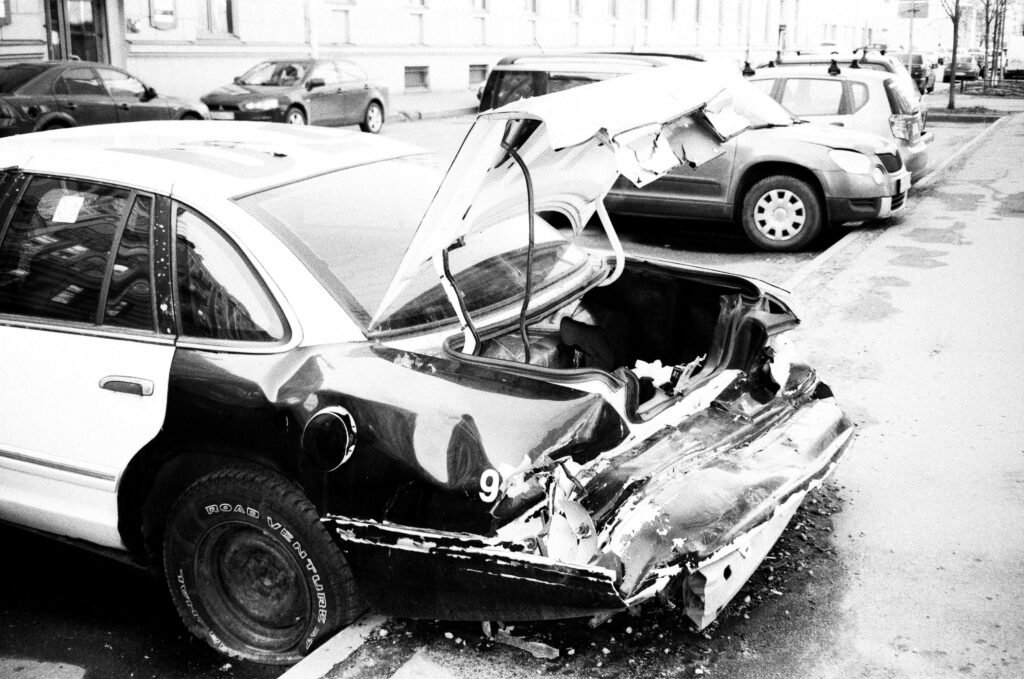
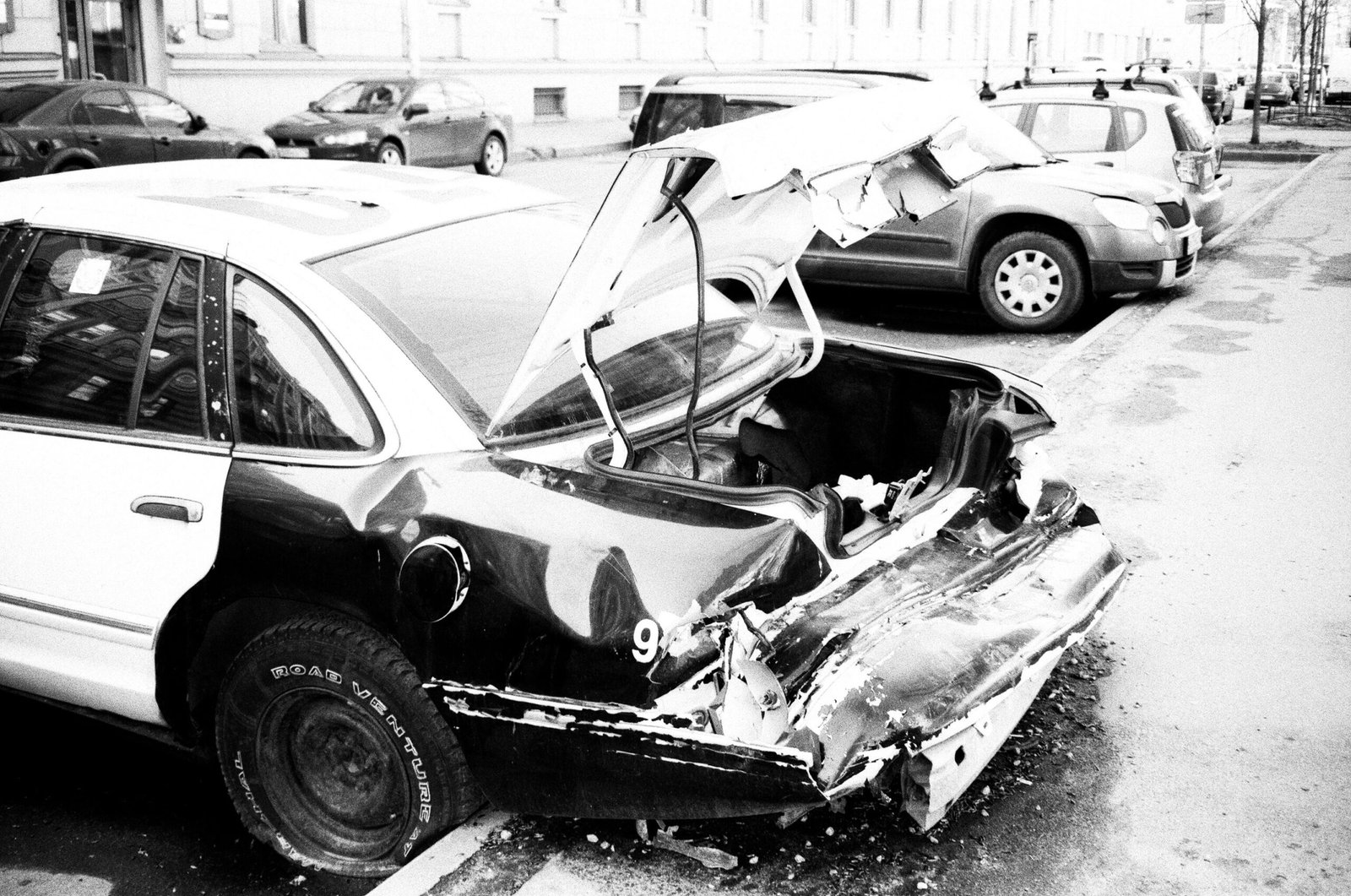
Being pulled over is bad. But being in an accident without insurance? That’s where things get truly serious.
Even if the other driver caused the accident, being uninsured complicates everything. In most states, you can still file a claim against the at-fault driver’s insurance. However:
This is where driving uninsured can become genuinely catastrophic. If you cause an accident and you have no insurance:
Here’s a realistic example. Say you run a red light and hit another car. The other driver suffers a broken arm, and their car is totaled. Medical bills: $40,000. Car replacement: $25,000. Lost wages: $10,000. That’s $75,000 you owe — out of your own pocket — with zero insurance to help you. For most people, that kind of debt is financially ruinous.
In cases involving serious injury, death, or hit-and-run situations, driving without insurance can contribute to criminal charges on top of civil liability. While the lack of insurance itself isn’t usually a criminal offense for a first offense in most states, the combination of causing serious harm while driving illegally creates a far more serious legal situation.
Even after you sort out the immediate legal and financial fallout, the long-term effects of driving uninsured can follow you for years.
Insurance companies check for gaps in coverage. If you’ve been uninsured — even for just a few months — insurers will see that as a risk factor and charge you higher premiums when you try to get coverage again. This “coverage gap penalty” can increase your rates by 10% to 35% or more, depending on how long you went uninsured and which insurer you’re applying with.
So ironically, the money you thought you were saving by going uninsured often ends up costing you significantly more over the following years in higher premiums.
If your license was suspended due to driving uninsured and you’re required to file an SR-22, that requirement typically stays on your record for two to three years. During that period, you’ll be flagged as a high-risk driver, which means higher rates, fewer insurers willing to cover you, and more hoops to jump through.
If a court judgment is entered against you for damages caused in an accident, that judgment can remain on your record and affect your credit for years. Wage garnishment and asset liens are serious tools that courts use to collect on unpaid judgments — and they don’t disappear just because you ignore them.
If you’re reading this without active car insurance, don’t panic — but do act quickly. Here’s what you can do right now:
Generally, car insurance follows the vehicle, not the driver. So if you’re driving a friend’s insured car with their permission, you’re typically covered under their policy. However, if their policy has exclusions or limits, you could still be partially exposed. It’s always best to check before borrowing someone’s vehicle.
Yes. In virtually every state, if the vehicle you’re driving is registered and on public roads, it must be insured. Even occasional drivers are legally required to have coverage. If your car sits in a garage and is never driven, you can typically suspend coverage — but the moment it’s on a public road, insurance is required.
It depends on the state. Some states, like California and Texas, do have provisions allowing officers to impound vehicles for lack of insurance. Others simply issue a citation. Check your specific state’s laws, but never assume impoundment can’t happen to you.
A coverage gap of even 30 days can affect your premiums for one to three years with many insurers. The longer the gap, the more significant the impact. Maintaining continuous coverage — even at minimum levels — is one of the best ways to keep your long-term insurance costs down.
Uninsured motorist coverage protects you if you’re hit by a driver who has no insurance at all. Underinsured motorist coverage protects you if the at-fault driver has insurance, but their coverage limits aren’t high enough to fully cover your damages. Both are valuable additions to your policy, especially given how many uninsured drivers share the road.
It’s easy to understand why some drivers take the gamble. Insurance premiums can feel like a burden, especially when money is tight and you haven’t had an accident in years. But the potential consequences of driving without car insurance — fines, license suspension, vehicle impoundment, financial ruin from an accident, years of higher premiums — are not worth it. Not even close.
The cost of a basic liability policy is almost always far lower than the cost of a single uninsured incident. And in today’s market, with more options and comparison tools available than ever, there’s very little reason why any driver should remain uninsured.
If you’re currently uninsured, today is the day to fix that. Get a quote, find a plan that fits your budget, and drive with the peace of mind that you’re protected — legally, financially, and personally. Because the question isn’t really whether you can afford car insurance. It’s whether you can afford to be without it.